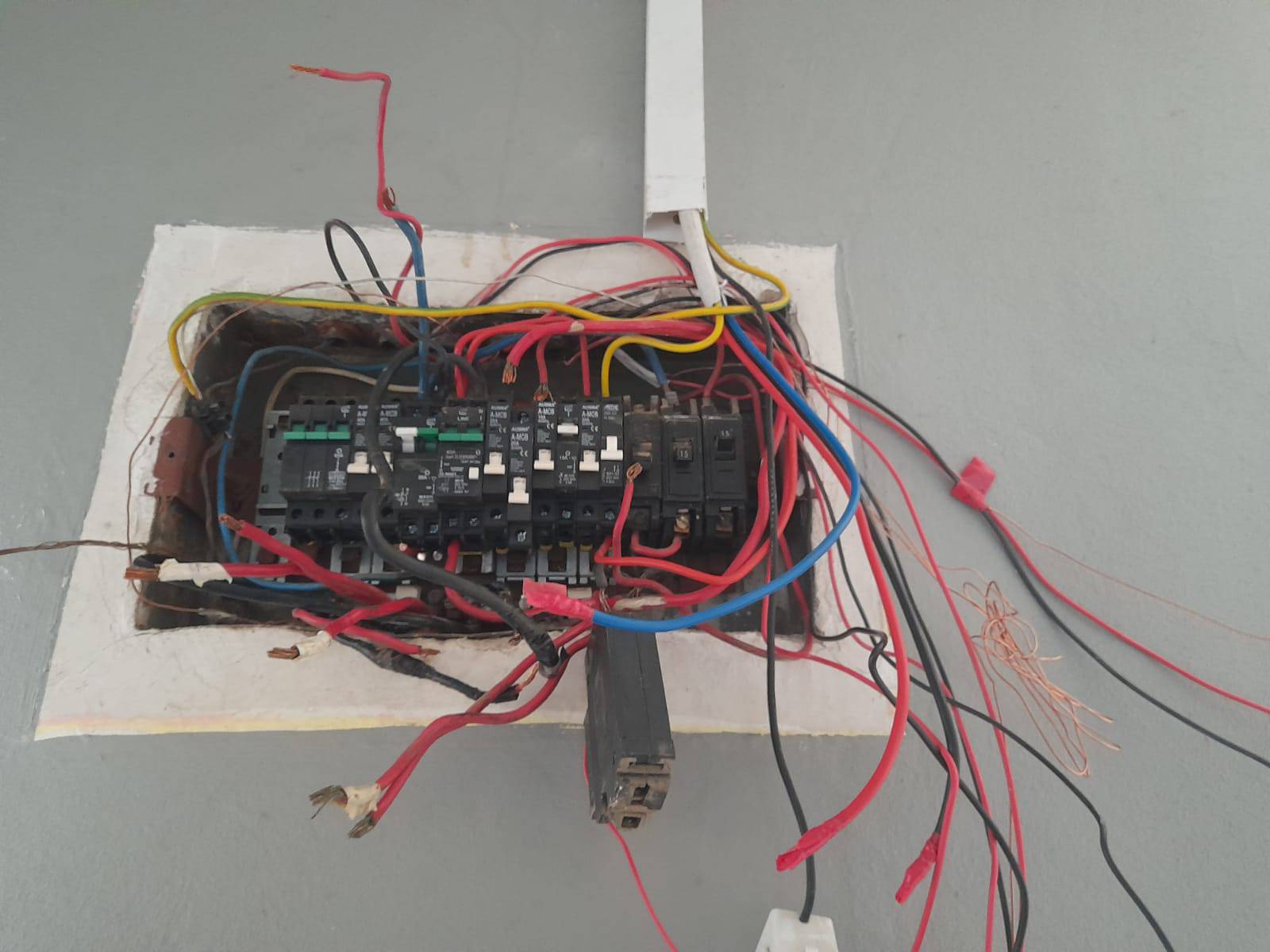
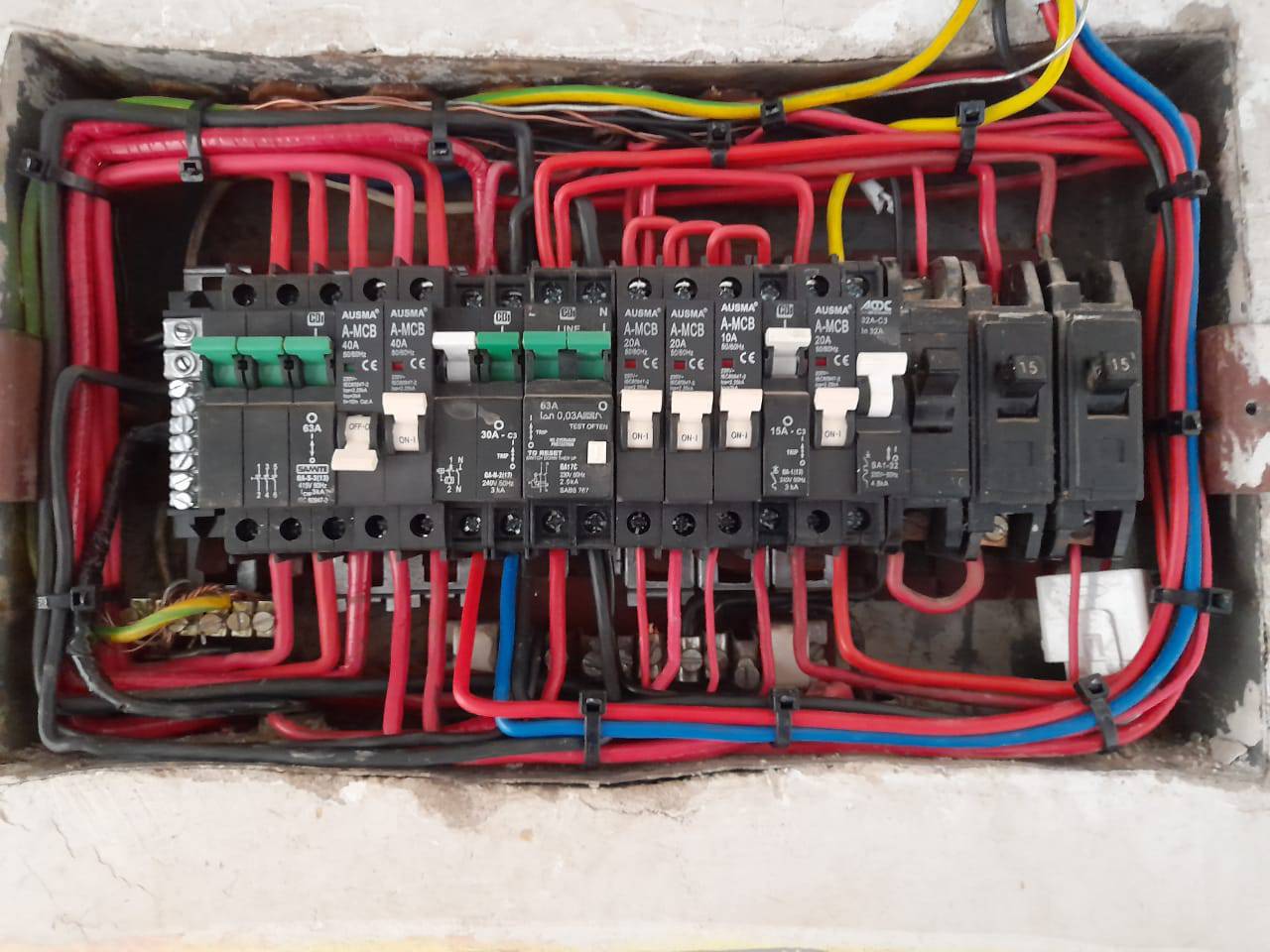
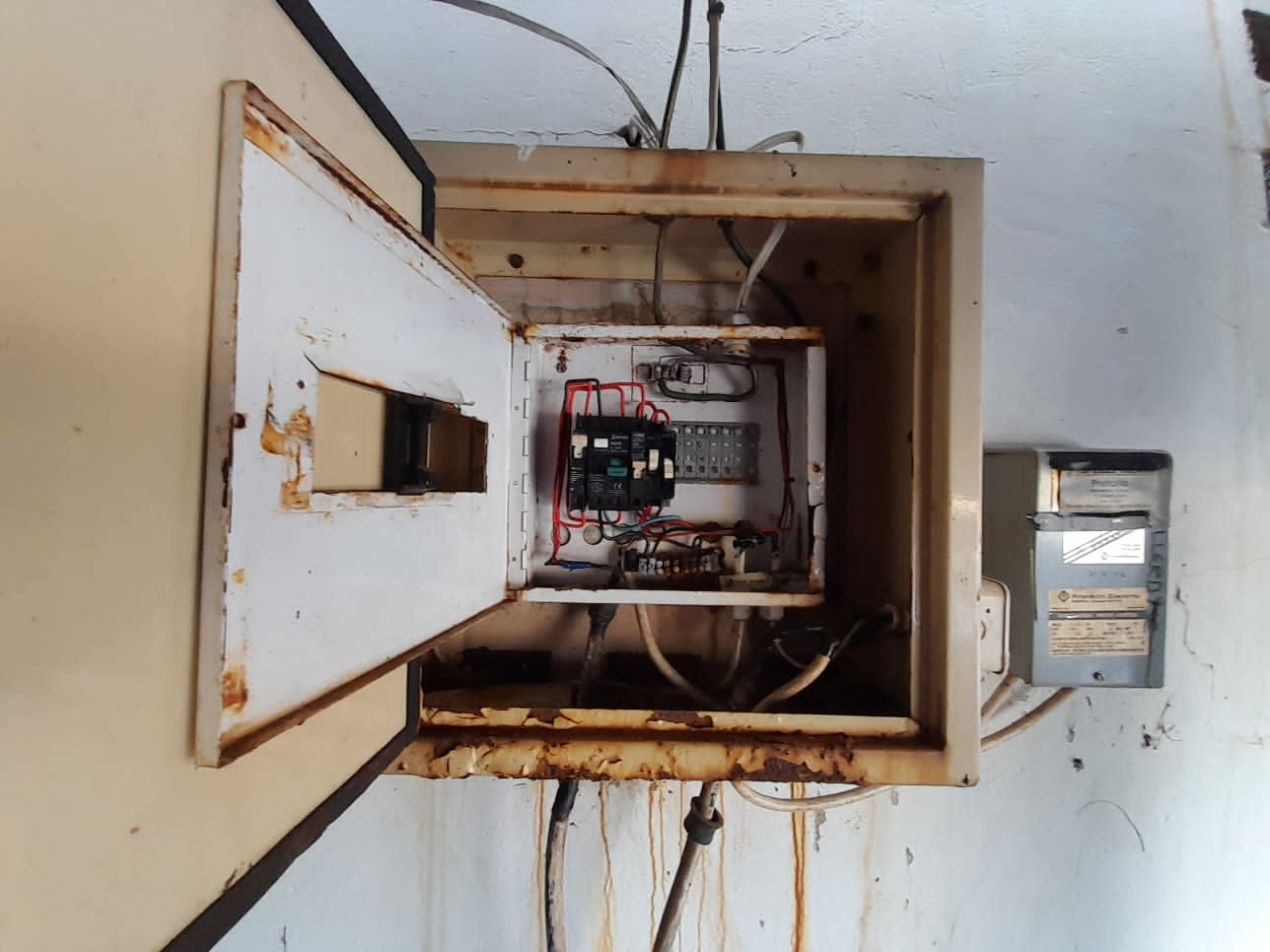
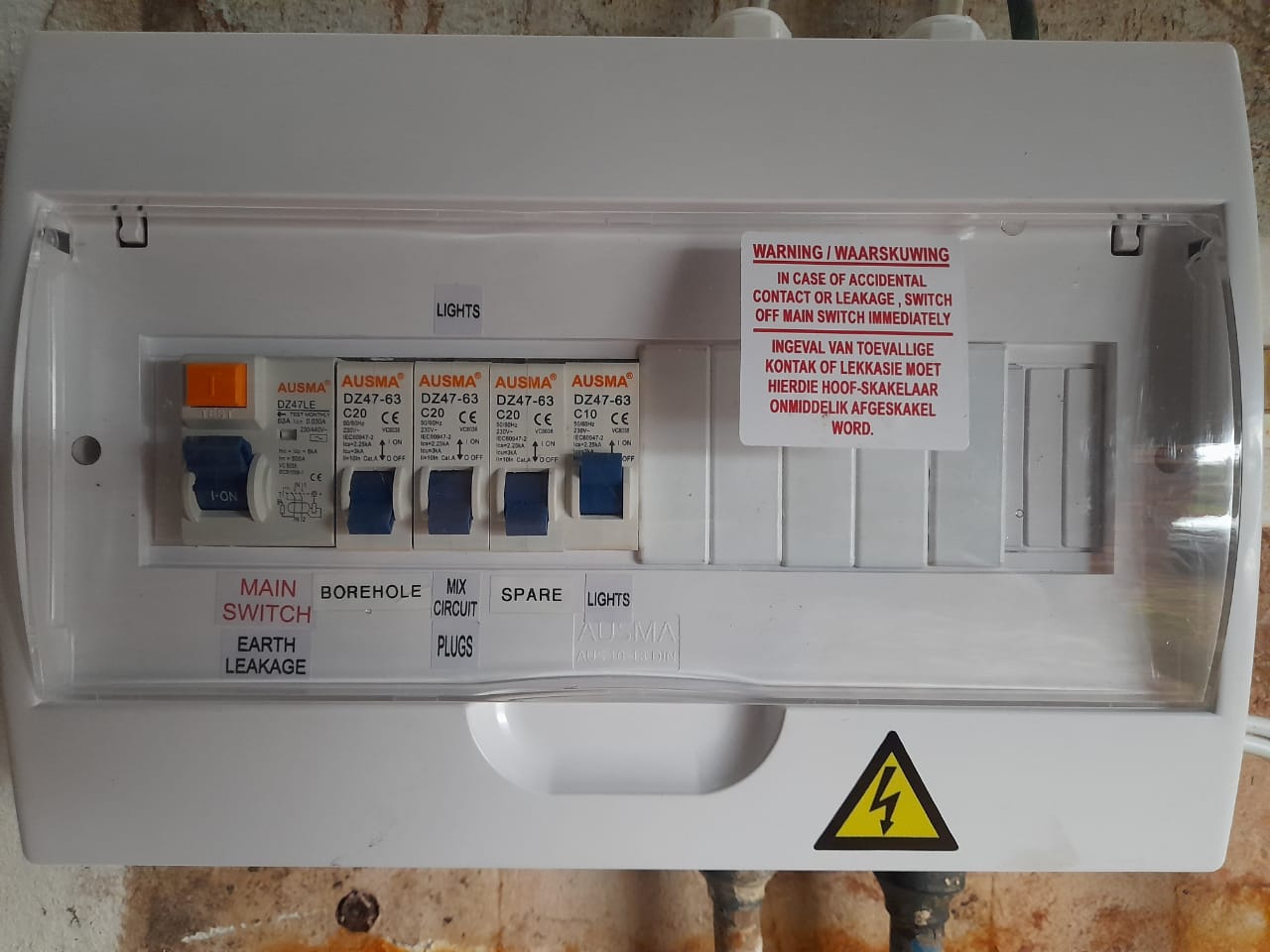
In practice, no. For a change of ownership in South Africa, a valid Electrical Certificate of Compliance is required for the fixed installation. Conveyancers will not usually lodge or proceed with transfer until they have it. This applies to freehold houses, sectional title units and commercial property.
What the law requires
The Occupational Health and Safety Act and the Electrical Installation Regulations require a valid certificate for the electrical installation when ownership changes. The certificate must be issued by a registered electrical contractor and must still match the installation.
If circuits, a distribution board, or solar and inverter equipment were added after the last certificate, that certificate no longer covers the property as it stands.
What happens if you do not have one
The transfer stalls. The transferring attorney will ask for it. A bank can also hold a bond if its conditions are not met. A buyer who was promised a certificate in the offer to purchase can delay or dispute the sale.
Skipping it does not make the sale faster. It moves the problem to the week before transfer, when repairs are harder to fit in.
Can the buyer pay for it?
Yes, if both sides agree in writing in the offer to purchase. The buyer can pay for the inspection and the repairs. If it is not written down, the seller remains responsible.
Even if the buyer pays, the certificate still has to be in place before transfer. An agreement to “sort it later” is not enough for the conveyancer.
What sellers should do
Book the inspection before you list, or as soon as the offer is signed. If it fails, you still have time for the repairs. Keep the certificate and the test report for the attorney.
Phallies inspects and issues Electrical Certificates of Compliance for sellers in Pretoria, Centurion, Midrand and Johannesburg. Bookings: Lindie on 082 854 4540.