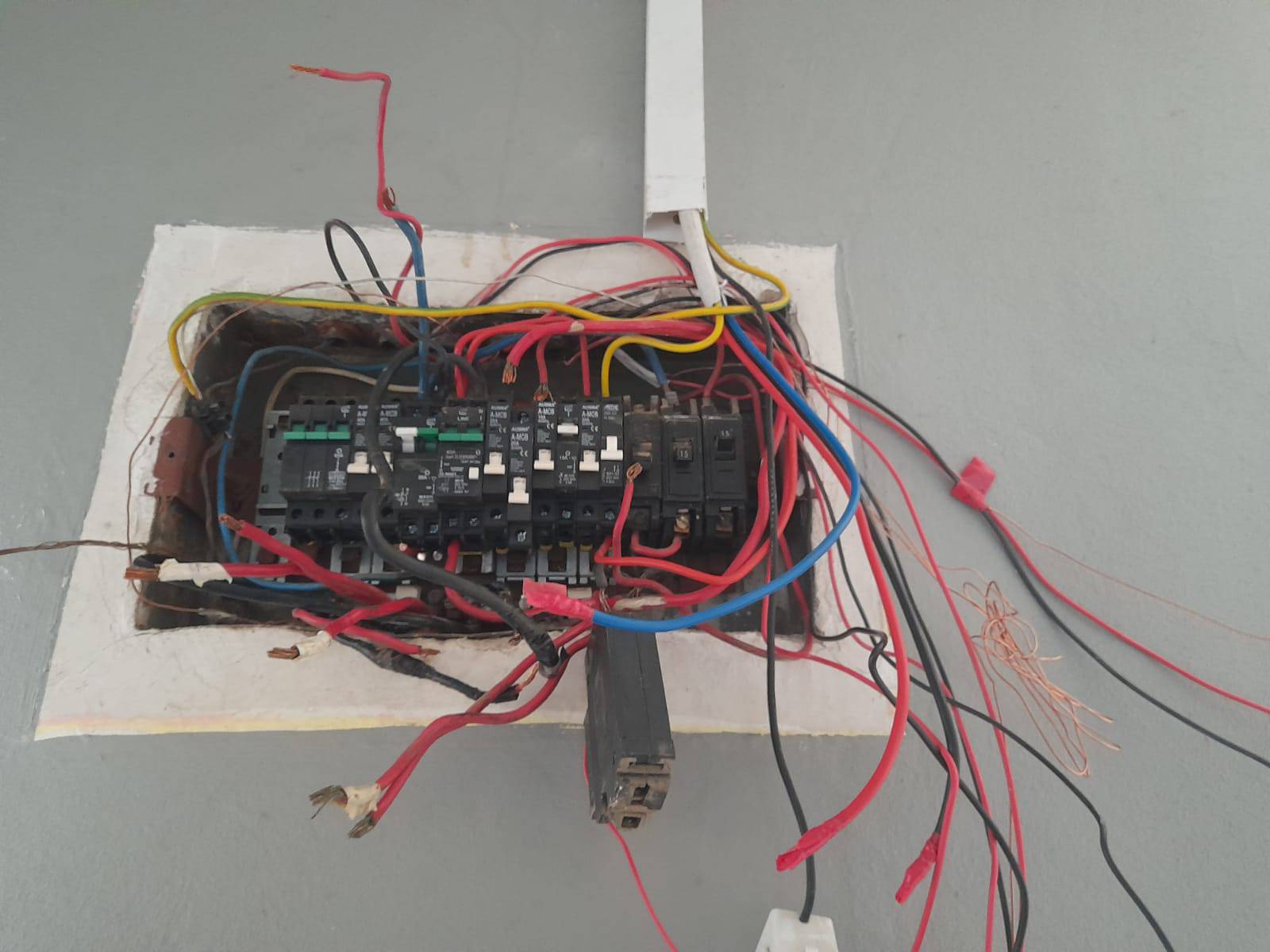
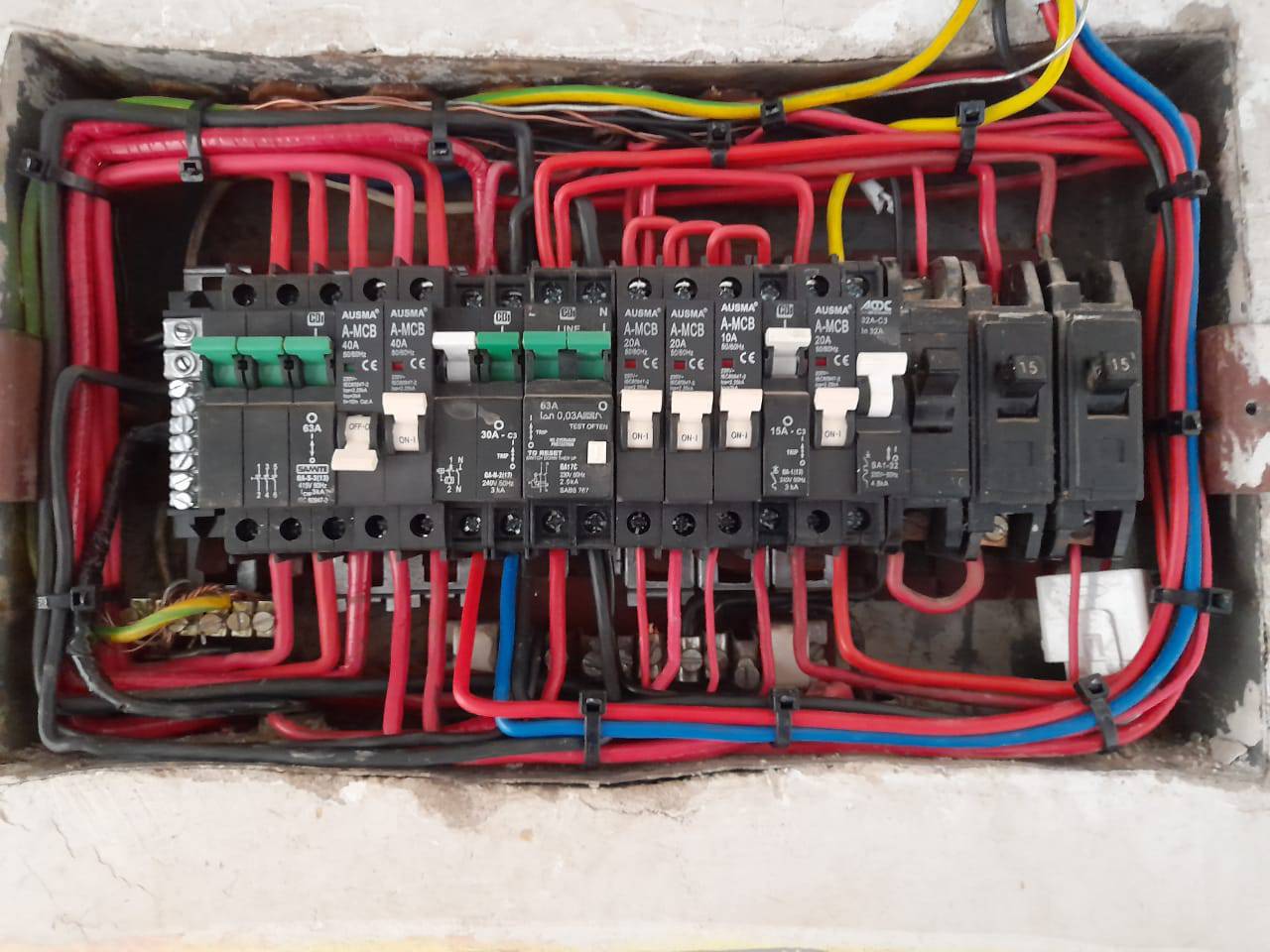
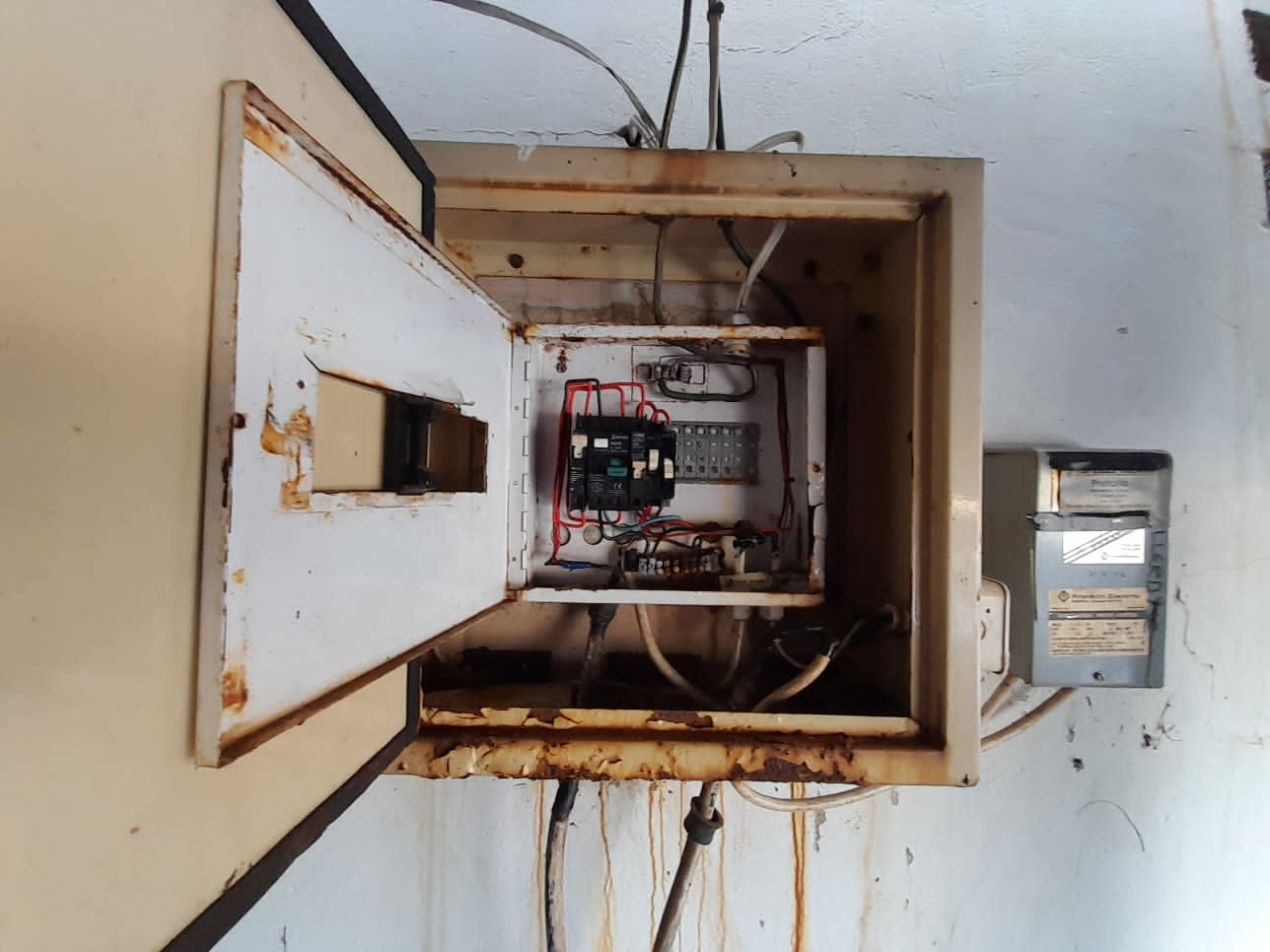
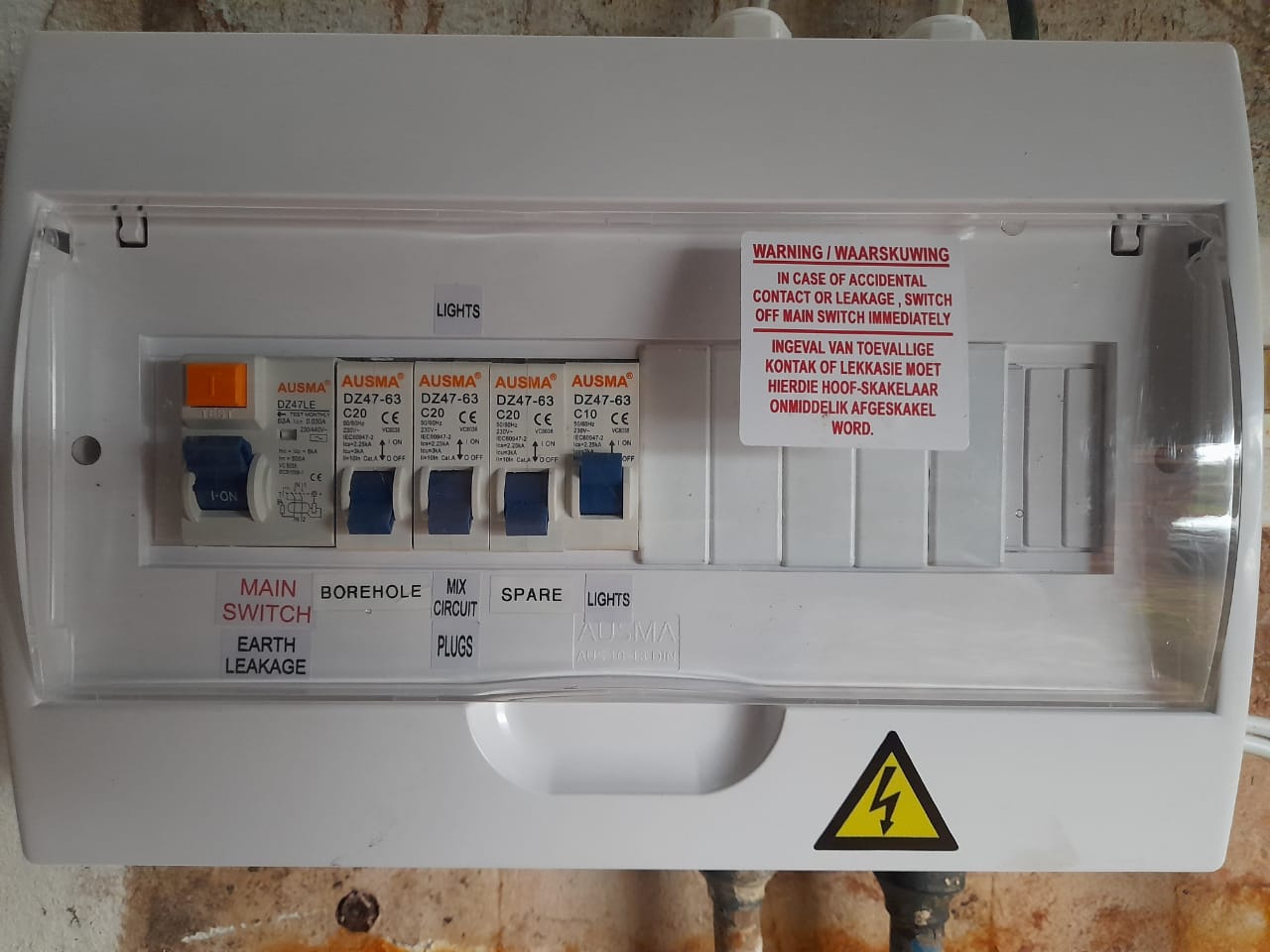
You need an Electrical Certificate of Compliance when the law, a conveyancer, an insurer or a new connection requires proof that the fixed installation was inspected. The usual triggers are a sale, new electrical work, and a connection to the grid.
Selling a property
For a change of ownership, the seller must provide a valid Electrical Certificate of Compliance. Conveyancers usually want one issued within the last two years. If the installation was altered after the last certificate, that certificate no longer covers the property as it stands.
A missing or outdated certificate can hold up transfer.
New work or alterations
A new installation, a new distribution board, added circuits, a generator, or solar and inverter work needs certification for that work.
If the house already has a valid Electrical Certificate of Compliance, the new work is often covered by a supplementary certificate. If there is no valid house certificate, the whole installation must be inspected.
Connecting to the grid
A new building, an outbuilding, or a reconnection after major work generally needs an Electrical Certificate of Compliance before the supply is connected or reconnected. Municipalities and Eskom ask for it.
Rentals
The user or lessor of an electrical installation must keep a valid certificate. A tenant can ask for it before signing a lease. It is not only a document for sales.
Insurance
Many insurers ask for a valid certificate when a claim involves an electrical fault or fire. Without it, a claim can be refused. Check the policy. The certificate does not replace the insurer’s own requirements.
If you do not have a valid one
A transfer can be delayed. A claim can be rejected. New work can be left uncertified. The Occupational Health and Safety Act also makes it an offence to use an installation that requires a certificate when none is in place.
If you are selling, altering, or connecting a property in Pretoria, Centurion, Midrand or Johannesburg, Phallies can inspect and issue the certificate. Bookings: Lindie on 082 854 4540.