The inspection is of the fixed electrical installation. It is not a test of kettles, televisions, microwaves or other plug-in items. Only a registered electrical contractor may do the inspection and issue the certificate.
Distribution board
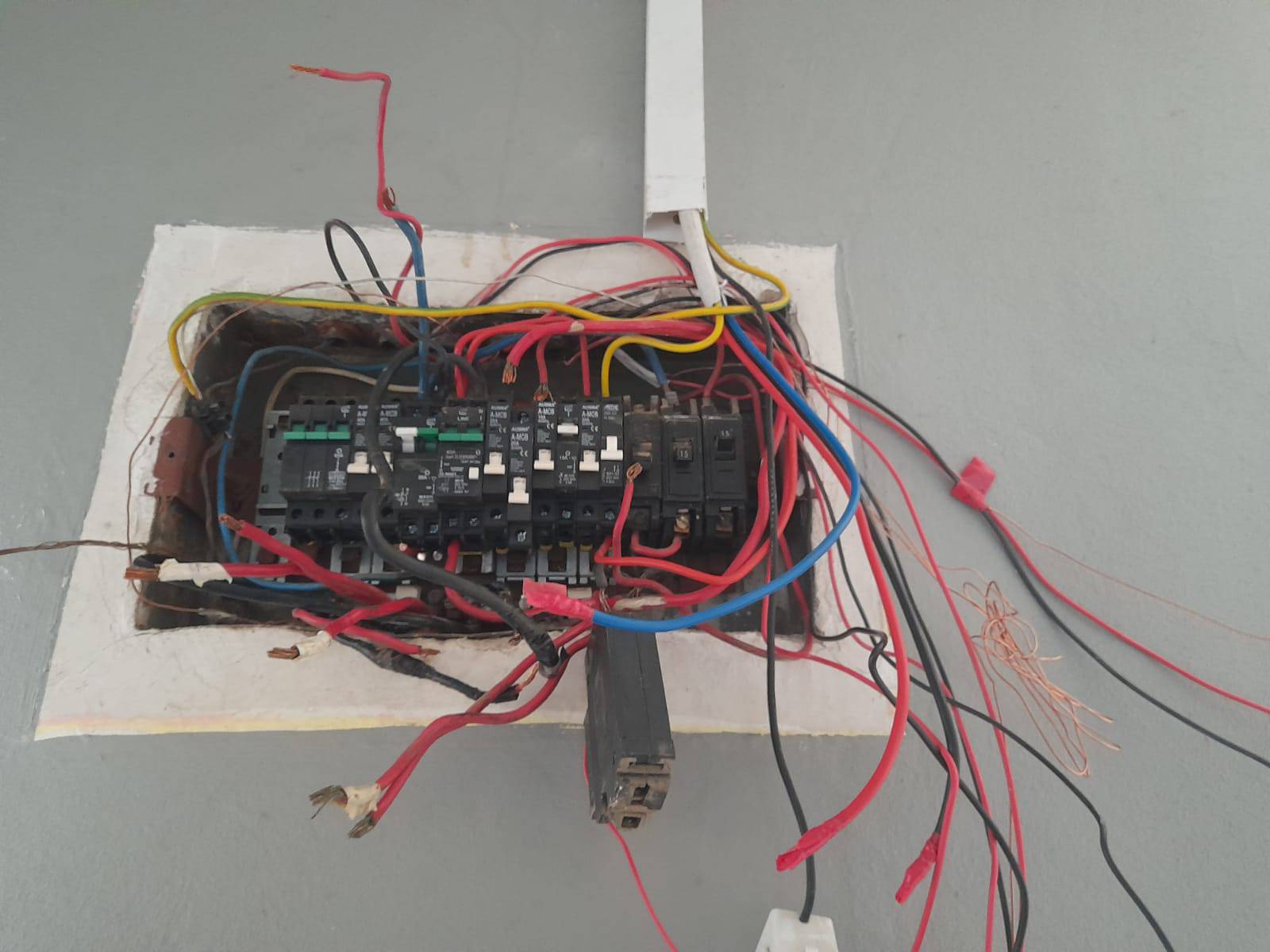
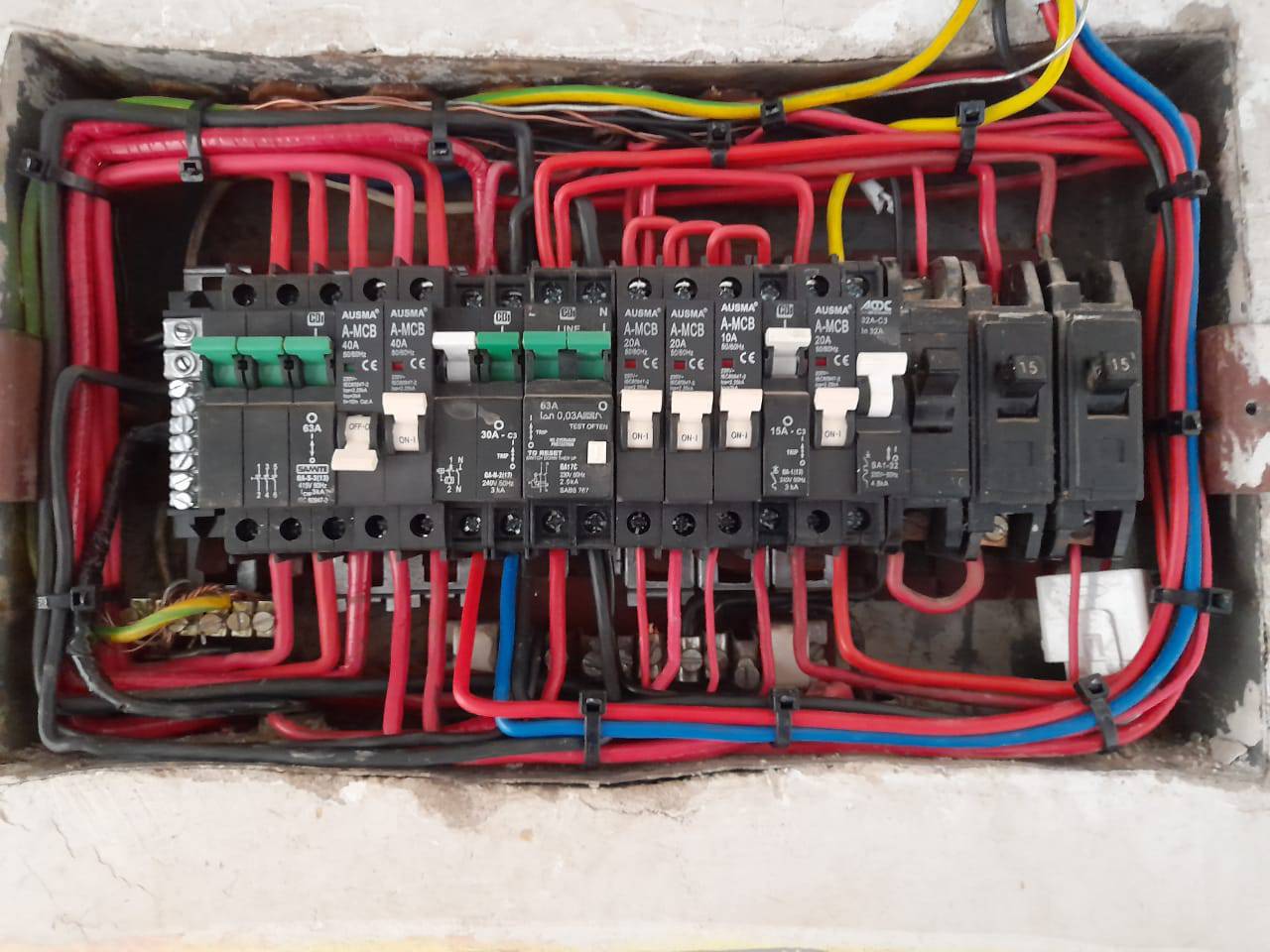
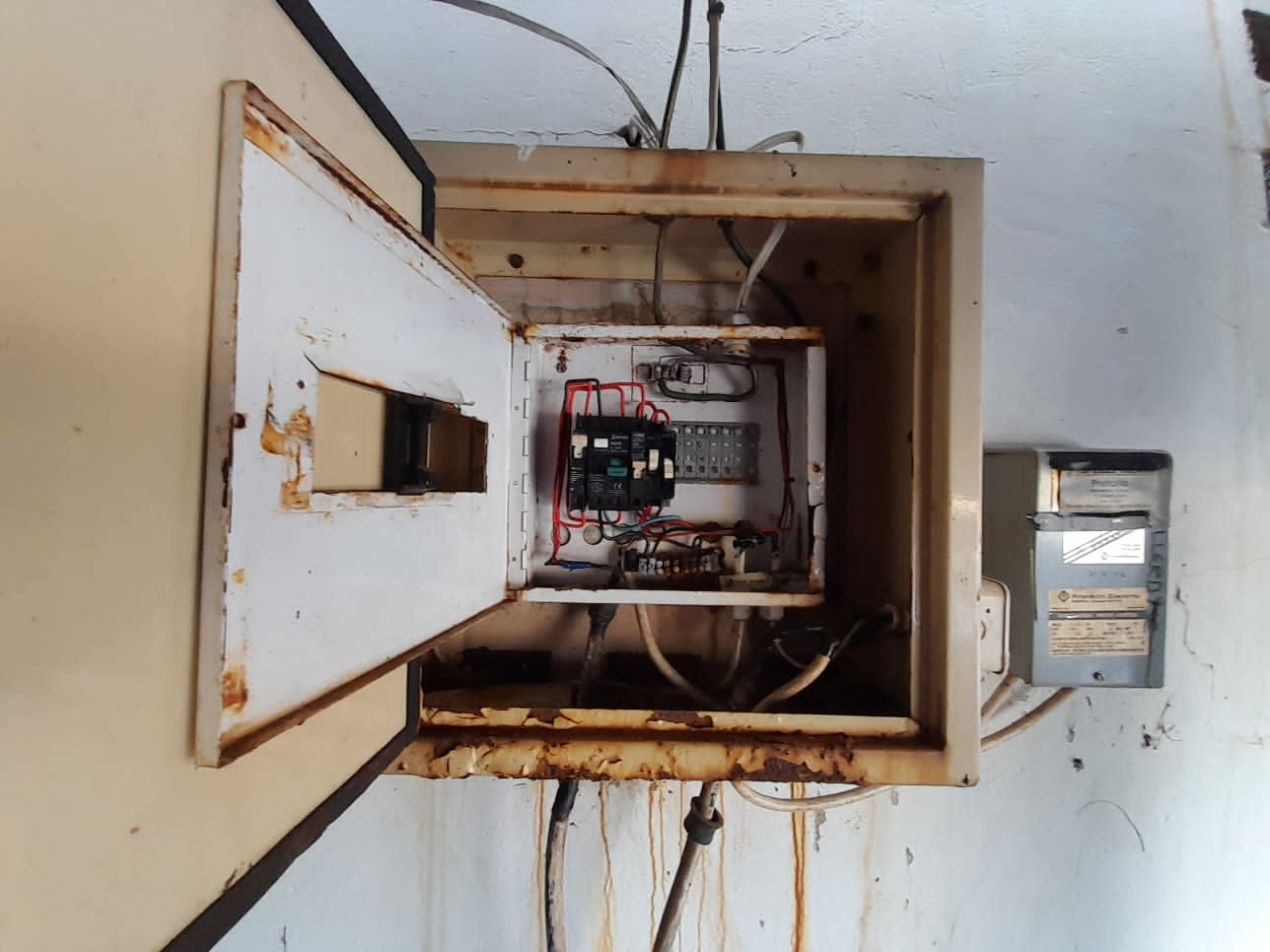
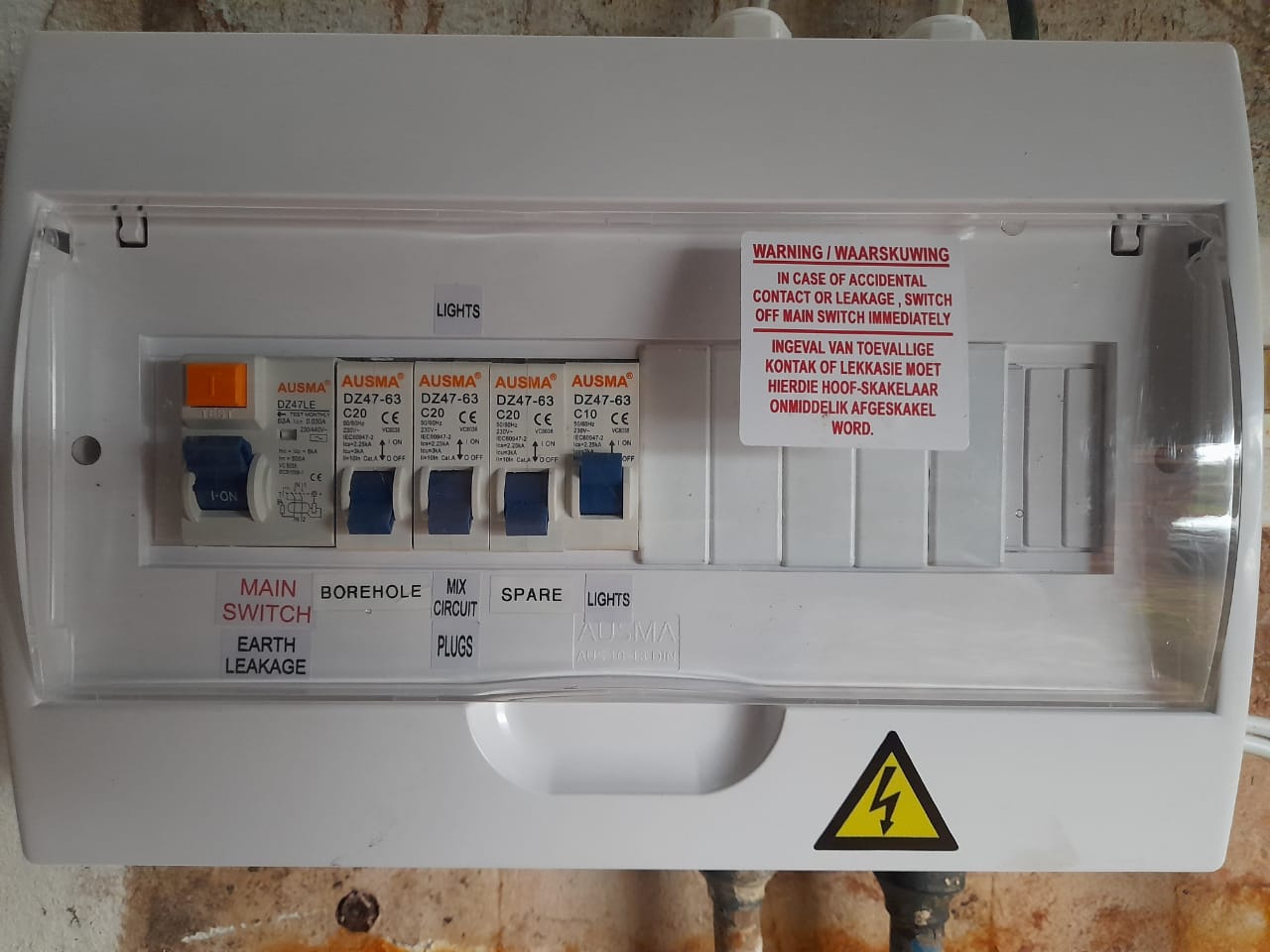
The contractor checks the distribution board for damage, overheating, correct breakers, labelling, and earth leakage protection. An earth leakage that does not trip is a fail.
Wiring and earthing
Wiring is checked for damage, correct size, secure connections, and proper routing. Earthing and bonding are part of the inspection. Exposed conductors, poor joints and missing bonding are common faults.
Sockets, switches and lights
Sockets, switches and light points are checked for safe installation, polarity and condition. Cracked or loose fittings can fail the inspection.
Fixed appliances
The connections to fixed appliances are included. That covers the stove and geyser isolators and their wiring. The appliance itself is not certified as working.
Solar, inverters and generators
If solar, an inverter, a battery system or a generator is connected to the installation, that work must be included. If the house already has a valid Electrical Certificate of Compliance, the new equipment is often covered by a supplementary certificate. If there is no valid house certificate, the whole installation is inspected.
What you get afterwards
If the installation passes, you receive the Electrical Certificate of Compliance and the test report. Keep both.
If it fails, you receive a list of the faults. No certificate is issued until the faults are corrected and the installation is checked again.
Phallies inspects in Pretoria, Centurion, Midrand and Johannesburg. Bookings: Lindie on 082 854 4540.